

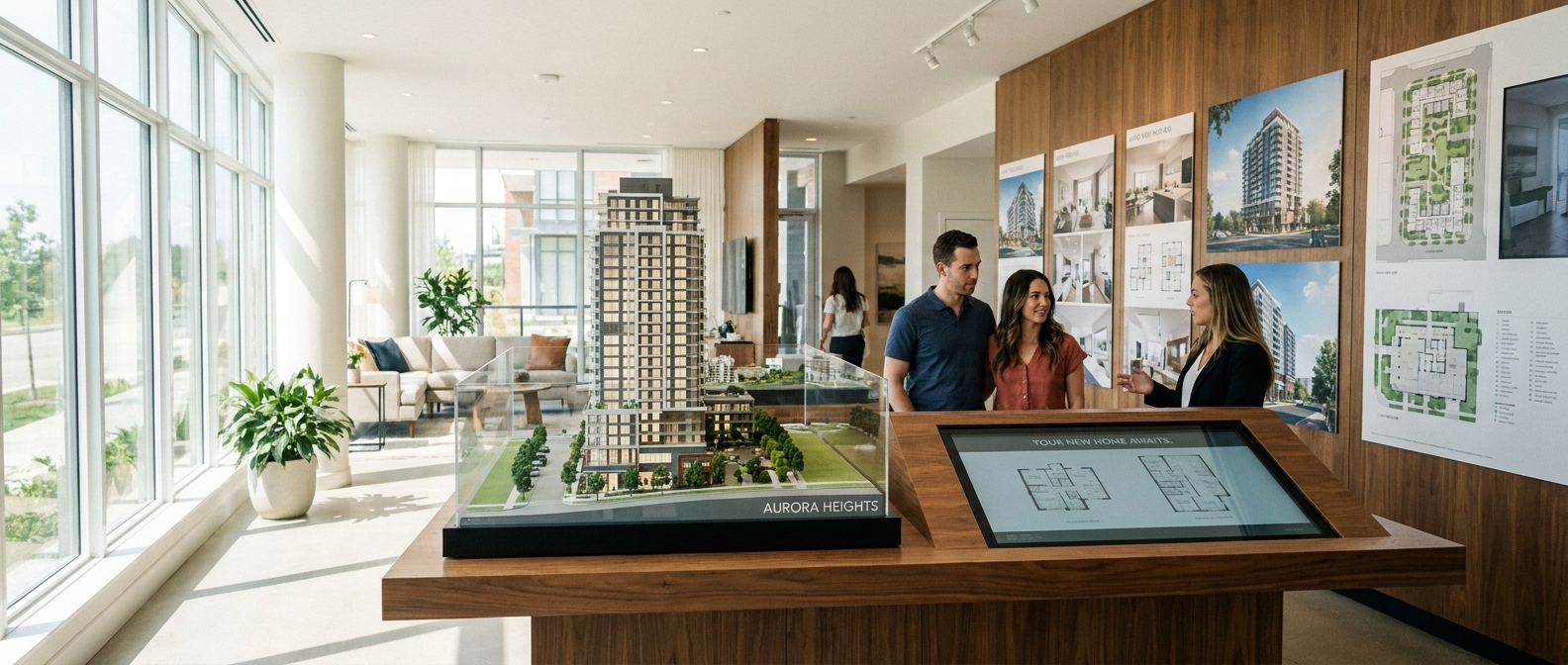
How to Buy a Pre-Construction Condo in Ontario: Step-by-Step
Condo123 · April 30, 2026
How to Buy a Pre-Construction Condo in Ontario: A Complete Step-by-Step Guide for 2026
Purchasing a pre-construction condo in Ontario represents one of the most significant financial decisions a person can make. Whether you are a first-time buyer hoping to enter the Greater Toronto Area market or a seasoned investor looking to expand your portfolio, understanding the pre-construction buying process from start to finish is absolutely essential. The Ontario new condominium market sold over 14,000 units in the GTA alone during 2023, according to Urbanation data, and demand for pre-construction properties continues to shape how Canadians build long-term wealth through real estate.
This comprehensive guide walks you through every stage of how to buy a pre-construction condo in Ontario — from initial research and worksheet registration through to occupancy, final closing, and beyond. You will find data-driven insights, cost breakdowns, timelines, and practical advice that empowers you to make confident, informed decisions. Bookmark this page as your go-to preconstruction condo guide throughout your buying journey.
Ready to explore current listings? Browse all pre-construction projects on condo123.ca and discover opportunities across the GTA and beyond.
Why Buy Pre-Construction in Ontario?
Before diving into the mechanics of how to buy a pre-construction condo, it is worth understanding the fundamental advantages that attract thousands of Ontario buyers every year to this model rather than the resale market.
Appreciation During the Build Period
One of the most compelling benefits is the potential for capital appreciation between the date you sign your Agreement of Purchase and Sale (APS) and the date of final closing — a period that typically spans 3 to 5 years for a high-rise condominium in the GTA. Historical data from CBRE Canada indicates that GTA condominium values appreciated at an average annual rate of approximately 6.8% over the decade between 2012 and 2022, meaning a unit purchased in 2019 for $650,000 could realistically have been worth considerably more by the time of occupancy in 2023.
Extended Payment Period
Rather than requiring the full purchase price on a single closing date, the pre-construction model spreads your deposit payments over 12 to 24 months or longer, depending on the developer's deposit structure. This staged approach allows buyers to organise their finances without needing to liquidate assets all at once.
Brand-New Construction Standards
Pre-construction condominiums must comply with Ontario's current Building Code, including modern mechanical, electrical, and fire-suppression systems. Buyers benefit from Tarion Warranty Corporation protection — Ontario's new home warranty programme — which covers major structural defects for up to 7 years, deposit protection up to $20,000 for freehold and condominium units, and one-year and two-year workmanship warranties.
Step 1 — Define Your Goals and Budget
The pre-construction buying process begins long before you ever sign a document. Clarity on your financial position and ownership objectives will guide every subsequent decision.
Establish Your Price Range
Most Ontario developers require a total deposit of between 15% and 25% of the purchase price, paid in installments over the sales period. For a $700,000 one-bedroom unit in Toronto, you should plan for a deposit of $105,000 to $175,000 before you even begin thinking about mortgage financing, closing costs, or occupancy fees. Use the table below as a general deposit planning framework:
| Purchase Price | 15% Deposit | 20% Deposit | 25% Deposit |
|---|---|---|---|
| $500,000 | $75,000 | $100,000 | $125,000 |
| $650,000 | $97,500 | $130,000 | $162,500 |
| $800,000 | $120,000 | $160,000 | $200,000 |
| $1,000,000 | $150,000 | $200,000 | $250,000 |
| $1,200,000 | $180,000 | $240,000 | $300,000 |
Clarify Your Ownership Purpose
Are you purchasing for personal end-use, as an investment rental property, or as a home for a family member? Your purpose affects which unit type, floor plan, and neighbourhood you should prioritise. Investors often favour smaller one-bedroom or one-bedroom-plus-den units in transit-connected neighbourhoods, which historically achieve stronger per-square-foot rental yields. End-users typically prioritise larger two-bedroom layouts, proximity to schools, and longer-term neighbourhood livability.
If you are purchasing your first home, the First-Time Home Buyer Guide for Toronto 2026 provides a detailed roadmap including federal and provincial incentive programmes you may qualify for.
Step 2 — Get Pre-Approved for a Mortgage
Although your mortgage will not fund until the final closing date — which may be 3 to 5 years away — securing a mortgage pre-approval early in the pre-construction buying process serves several critical purposes. Firstly, it confirms your borrowing capacity so you do not overcommit on a unit you cannot ultimately finance. Secondly, it demonstrates seriousness to developers and their sales teams. Thirdly, it forces a productive conversation with a mortgage professional about the unique nature of pre-construction financing.
Key Mortgage Considerations for Pre-Construction Buyers
Canadian lenders cannot formally lock in a mortgage rate for 3 to 5 years, which means the rate environment at final closing will differ — potentially significantly — from today's conditions. The stress test under the federal Office of the Superintendent of Financial Institutions (OSFI) B-20 guidelines requires all federally regulated lenders to qualify buyers at the greater of 5.25% or the contract rate plus 2.00%, as of 2025 guidelines. Factor this into your budget planning. Many mortgage brokers who specialise in pre-construction transactions recommend revisiting your pre-approval annually as the build progresses and rate environments shift.
Step 3 — Research Developers and Projects
Not all Ontario developers are created equal. Developer reputation, track record, financial stability, and construction quality vary considerably across the province. Conducting thorough due diligence at this stage of the pre-construction buying process can protect you from delays, reduced finishes, or, in rare but documented cases, project cancellations.
How to Evaluate a Developer
| Evaluation Criterion | What to Look For | Where to Verify |
|---|---|---|
| Years in operation | 10+ years of completed projects | Developer website, Tarion registry |
| Tarion enrolment history | No outstanding warranty claims, clean record | Tarion.com Builder Directory |
| Project completion rate | All announced projects completed | Urbanation, Altus Group data |
| Construction lender financing | Major Schedule A bank financing confirmed | Ask the sales team directly |
| Occupancy delay history | Average delay of 12 months or less | Tarion delay records, online reviews |
| Occupancy fee transparency | Estimated occupancy fees disclosed in APS | Review the draft APS carefully |
According to Tarion's 2023 Annual Report, approximately 78,000 new homes across Ontario were enrolled in the warranty programme that year, with the vast majority of builders maintaining satisfactory records. However, researching individual builder history on the Tarion Builder Directory remains a non-negotiable step before you commit any deposit funds.
Explore current pre-construction homes and condominiums in Toronto from vetted developers currently active in the GTA market.
Step 4 — Register and Access VIP/Platinum Sales
The Ontario pre-construction market operates on a tiered sales access model. Understanding this hierarchy is critical to learning how to buy a pre-construction condo at the best possible price and with the widest selection of available units.
The Sales Hierarchy Explained
- Platinum/VIP Agent Access: Realtor agents with pre-existing developer relationships gain access 2 to 8 weeks before the public launch. This is typically where the lowest prices, best floor plans, and greatest unit selection exist.
- Preview/Priority Registration: Buyers who register directly with the developer or through a VIP realtor gain priority access to worksheets before the general public.
- Public Sales Launch: The general public gains access. By this stage, desirable units on premium floors may already be sold, and prices may have increased.
- Assignment Sales: Original buyers who purchased in earlier phases sell their right to purchase (the contract, not the unit itself) to a new buyer, often at a premium above the original contract price.
Engaging a knowledgeable realtor with active developer relationships — before a project launches — is arguably the single most impactful action you can take to optimise your pre-construction buying process. Register on platforms like condo123.ca to receive early access notifications for upcoming launches.
Step 5 — Complete a Worksheet and Secure Your Unit
During the VIP and preview sales phases, developers use a worksheet system rather than accepting offers on a first-come, first-served basis. A worksheet is a non-binding expression of interest in which you indicate your preferred units in ranked order, your name, contact details, and often proof of identity and financial readiness.
Developers allocate units based on submitted worksheets, prioritising buyers who have registered early, work with preferred agent partners, or submit worksheets for higher-value units. Submitting multiple worksheet choices — ranked by preference — increases your probability of allocation. Once allocated, you will receive an Agreement of Purchase and Sale to review and execute, typically within 24 to 72 hours of allocation notification.
Step 6 — Review and Sign the Agreement of Purchase and Sale
The Agreement of Purchase and Sale (APS) is the central legal document governing your pre-construction purchase. Ontario's Condominium Act, 1998, combined with the New Home Construction Licensing Act, 2017, provides a regulatory framework, but the specific terms within the APS define your individual contractual rights and obligations. This step of the pre-construction buying process demands professional legal guidance — do not attempt to navigate it without a qualified real estate lawyer experienced in condominium transactions.
Ontario's 10-Day Cooling-Off Period
Under Ontario law, purchasers of pre-construction condominium units have an automatic 10-calendar-day rescission period following the later of: the date the buyer signs the APS, or the date the buyer receives all required disclosure documents from the developer. During this 10-day window, you may rescind the agreement for any reason without penalty and receive a full refund of any deposit paid. Use this period productively — engage your lawyer immediately to review the full APS, disclosure statement, draft declaration, and rules and by-laws.
Critical APS Clauses to Review
- Deposit schedule: When are payments due, and what are the amounts?
- Occupancy date and delay provisions: What is the estimated occupancy date, and how many extensions can the developer invoke under Ontario law before you have the right to rescind? (Under HCRA regulations, developers may extend occupancy up to 24 months beyond the original date before buyer rescission rights are triggered.)
- Permitted assignment clause: Can you legally assign (sell) your contract before final closing? What fees does the developer charge for assignments?
- Development levies and education levies cap: Are these capped in the APS, or are you exposed to unlimited increases?
- Adjustments on closing: What is the estimated range of closing adjustments? These commonly include development charges, educational levies, HST (if applicable), and land transfer tax.
- Décor/Upgrade allowances: What finishes are included as standard, and what is the process and budget for upgrades?
For a detailed breakdown of what to anticipate paying at final closing, review the Toronto Closing Costs Breakdown for 2026.
Step 7 — Pay Your Deposits on Schedule
Following execution of the APS and the expiration of the cooling-off period, your deposit schedule activates. A typical Toronto high-rise condominium deposit structure for a $750,000 unit at 20% total deposit might look as follows:
| Payment Milestone | Percentage | Amount (on $750,000) | Timing |
|---|---|---|---|
| Initial deposit | 5% | $37,500 | Upon signing APS |
| Second deposit | 5% | $37,500 | 30 to 60 days after signing |
| Third deposit | 5% | $37,500 | 90 to 180 days after signing |
| Fourth deposit | 5% | $37,500 | On occupancy or as specified |
| Total | 20% | $150,000 |
Under Ontario's Tarion and HCRA frameworks, all deposit funds paid to a developer must be held in trust by the developer's lawyer until certain milestones are reached (typically, the developer obtaining construction financing). This provides meaningful protection for your capital, though it does not eliminate all risk associated with project cancellations.
Step 8 — Monitor Construction Progress and Make Décor Selections
Once your deposits are paid, the pre-construction buying process enters a period of patient monitoring that can span 2 to 5 years. During this time, responsible buyers take several proactive actions.
Décor Centre Appointments
Most developers invite purchasers to a design centre appointment — typically 12 to 24 months before estimated occupancy — where you select finishes including flooring, cabinetry, countertops, tile, and fixture colours. Upgrades above the standard package can add anywhere from $10,000 to $80,000 or more to your total cost depending on the unit size and your preferences. Approach upgrade decisions with the end purpose in mind: investors often benefit from keeping upgrades minimal and neutral to maximise tenant appeal, while end-users may wish to personalise more extensively.
Stay Informed About Delays
Construction delays are extremely common in the GTA high-rise market. Urbanation data suggests the average delay between originally projected and actual occupancy for Toronto condominiums completed between 2018 and 2023 was approximately 14 months. Budget and plan accordingly, particularly if you have existing lease obligations or are relying on the unit for housing by a specific date.
Step 9 — Understand the Interim Occupancy Period
One of the most misunderstood phases in the preconstruction condo guide for Ontario buyers is interim occupancy — a period unique to condominium purchases in this province. When the physical construction of your unit is substantially complete but the overall building has not yet been registered as a condominium corporation, you may move in under an interim occupancy licence.
During interim occupancy, you do not yet own the unit outright. Instead, you pay a monthly occupancy fee to the developer that consists of three components:
- Estimated interest on the unpaid purchase price balance (calculated at Bank of Canada prescribed rates)
- Estimated monthly property taxes for your unit
- Estimated common expense (maintenance) fee
Importantly, you cannot make mortgage payments or build equity during interim occupancy — you are effectively renting from the developer. This period typically lasts 3 to 12 months but can occasionally extend to 24 months for large condominium buildings with phased registrations. Plan your budget to accommodate occupancy fees alongside any concurrent rental or housing costs you may be carrying.
Step 10 — Final Closing and Title Transfer
Final closing occurs when the condominium corporation is registered with the Province of Ontario and title to your individual unit transfers from the developer to you. This is the moment your mortgage funds, your remaining balance is paid to the developer, and you officially become a registered owner.
What to Expect at Final Closing
Final closing involves a series of financial adjustments and costs beyond your deposit. These commonly include municipal and provincial land transfer taxes, development charges not already built into the purchase price, legal fees, title insurance, HST adjustments (for investment properties not qualifying for the new residential rental rebate), and various administrative charges. In the City of Toronto, buyers pay both Ontario Land Transfer Tax and Toronto's Municipal Land Transfer Tax, which together can amount to approximately $24,950 on a $750,000 purchase for a first-time buyer after applicable rebates.
Working with a real estate lawyer who specialises in pre-construction condominium closings is essential. Expect legal fees for a pre-construction closing to range from $1,500 to $3,000 or more depending on the complexity of the transaction.
Ontario First-Time Buyer Incentives for Pre-Construction
Ontario and federal governments offer several programmes that may benefit pre-construction buyers, subject to eligibility criteria and income thresholds. As of 2025 and into 2026, relevant programmes include:
| Programme | Maximum Benefit | Key Eligibility |
|---|---|---|
| First Home Savings Account (FHSA) | $40,000 lifetime contribution, tax-deductible | Canadian resident, first-time buyer, 18–71 years old |
| RRSP Home Buyers' Plan (HBP) | $35,000 per person ($70,000 per couple) | First-time buyer, RRSP funds held 90+ days |
| Ontario Land Transfer Tax Rebate | Up to $4,000 | First-time buyer, Canadian citizen or permanent resident |
| Toronto LTT Rebate | Up to $4,475 | First-time buyer, purchasing in City of Toronto |
| GST/HST New Housing Rebate | Up to 36% of federal portion of HST | Primary residence, purchase price under $450,000 for full rebate |
Understanding how to maximise these incentives can save first-time buyers tens of thousands of dollars on their pre-construction purchase. The 2026 First-Time Home Buyer Guide details current eligibility rules and application procedures for each programme.
Common Mistakes to Avoid in the Pre-Construction Buying Process
Having guided thousands of buyers through the Ontario pre-construction market, experienced realtors and real estate lawyers consistently identify the following errors as the most damaging and most avoidable:
- Skipping independent legal review: Signing an APS without your own lawyer reviewing every clause exposes you to significant financial and legal risk.
- Underestimating closing costs: Many buyers focus entirely on the purchase price and deposit and are shocked by the quantum of closing adjustments. Budget an additional 3% to 5% of the purchase price for closing costs beyond your deposit.
- Ignoring the occupancy fee period: Failing to account for occupancy fees in your financial planning can cause cash-flow crises when you move in.
- Purchasing solely on renderings: Developments look spectacular in marketing materials. Visit completed buildings by the same developer to assess actual build quality.
- Overlooking assignment clause restrictions: If your life circumstances change and you need to sell before final closing, a restrictive or expensive assignment clause can trap you in the contract.
- Not insuring your deposits: While Tarion provides deposit protection up to specified amounts, confirm your exposure and whether additional insurance is prudent for higher-value transactions.
Frequently Asked Questions
How long does the pre-construction buying process take from signing to moving in?
The timeline varies considerably depending on the project stage at which you purchase and the developer's construction schedule. If you purchase during the initial sales launch of a proposed high-rise condominium in Toronto, you should generally expect 4 to 6 years from signing your Agreement of Purchase and Sale to final closing. Projects that are already under construction at the time of purchase may deliver in 2 to 3 years. Always review the estimated occupancy date in your APS and plan for an additional 12 to 18 months beyond that date as a conservative buffer given the historical frequency of construction delays in the GTA market.
Is my deposit protected if the developer cancels the project?
Tarion Warranty Corporation provides deposit protection for pre-construction condominium purchases in Ontario. As of 2025, deposit protection covers up to $20,000 for freehold and condominium unit purchases where the developer holds funds improperly or becomes insolvent. However, because pre-construction condominium deposits are legally required to be held in trust by the developer's solicitor, the practical risk of losing your deposit to cancellation — as opposed to receiving a full refund — is lower than many buyers fear. That said, you should confirm trust arrangements and the specific project's cancellation history with your real estate lawyer before signing.
Do I pay HST on a pre-construction condo in Ontario?
Ontario's Harmonised Sales Tax (HST) applies to the purchase of new residential properties including pre-construction condominiums. However, if you or an immediate family member will occupy the unit as a primary residence, you may qualify for the New Residential Rebate, which returns a portion of the federal and provincial components of the HST. For investment properties that will be rented, the New Residential Rental Property Rebate may apply if you enter into a qualifying lease of at least one year. HST implications are complex and differ meaningfully between owner-occupier and investor purchases; consult a tax professional and review the Toronto Closing Costs Breakdown for specific figures.
Can I get a mortgage for a pre-construction condo years before closing?
You cannot obtain a formal, funded mortgage years in advance of closing, as Canadian mortgage lenders do not offer rate locks of 3 to 5 years for properties that do not yet exist. However, you should obtain a mortgage pre-approval to confirm your borrowing capacity and speak with a mortgage broker experienced in pre-construction transactions about your strategy as closing approaches. Most pre-construction buyers begin the formal mortgage application process approximately 90 to 120 days before their anticipated final closing date, at which point your mortgage broker will help you secure the best available rate given the conditions at that time.
What are occupancy fees and how much should I budget for them?
Occupancy fees are monthly payments made to the developer during the interim occupancy period — the phase between when you move into your completed unit and when the condominium corporation is formally registered and final closing occurs. The fee comprises estimated interest on the unpaid purchase balance at the Bank of Canada prescribed interest rate, your estimated monthly property taxes, and the estimated common expense fee. On a $700,000 unit with a $140,000 deposit (20%) at a prescribed rate of approximately 5%, the interest component alone would be approximately $2,333 per month, plus taxes and common expenses. Budget occupancy fees as an operating cost for a period of 3 to 12 months or longer.
What is an assignment sale and should I consider purchasing one?
An assignment sale occurs when the original pre-construction buyer — the assignor — sells their right and interest in the Agreement of Purchase and Sale to a new buyer — the assignee — before final closing takes place. The assignee steps into the original buyer's position and ultimately receives title at final closing. Assignment sales can offer access to units in sold-out or near-complete buildings, sometimes at prices that reflect significant appreciation from the original purchase price. However, they also carry unique risks including HST exposure on assignment profits, limited rescission rights (the 10-day cooling-off period does not typically apply to assignments), and potential developer restrictions or assignment fees. Always engage a real estate lawyer to review an assignment agreement before proceeding.
How do I find the best pre-construction projects in Toronto and the GTA?
Finding the best projects requires a combination of market research, professional guidance, and early registration. Platforms like condo123.ca aggregate active and upcoming pre-construction projects across Toronto and the broader GTA, allowing you to filter by neighbourhood, price range, and project stage. Working with a VIP realtor who maintains active developer relationships gives you access to platinum and preview sales phases where selection is greatest and prices are often lowest. Researching neighbourhood growth trajectories, transit infrastructure investment — particularly along Ontario's expanded subway and LRT corridors — and employment density near the project location will help you assess long-term investment fundamentals. Explore all available Toronto pre-construction condominiums and homes on condo123.ca to begin your search today.
Final Thoughts: Your Pre-Construction Journey Starts Here
Learning how to buy a pre-construction condo in Ontario is a process that rewards preparation, professional guidance, and patience. The steps outlined in this guide — from budget clarity and mortgage pre-approval through developer research, worksheet submission, APS review, deposit payments, décor selections, interim occupancy, and final closing — represent a comprehensive framework that successful buyers follow consistently.
The Ontario pre-construction market is dynamic, competitive, and capable of delivering exceptional long-term returns when you approach it with the right knowledge and support team. Your real estate lawyer, mortgage broker, and VIP realtor are your most important allies in this process. Invest time in choosing each of them carefully.
Begin your search, register for upcoming launches, and access exclusive project information at condo123.ca/discover. Whether you are entering the market for the first time or adding to an existing portfolio, the right pre-construction opportunity is available — and this guide has equipped you to recognise and seize it with confidence.